Paint correction is equal parts craft and discipline. Machines matter, pads matter, compounds and polishes matter, but the judgment to choose the right level of correction matters most. Chase perfection on the wrong car, or with the wrong approach, and you can thin clear coat, create haze, or waste time and budget. Choose too light a process, and you leave 60 percent of defects behind. The distinction between one-step, two-step, and multi-stage correction is not just semantics, it is a way to plan results, risks, and maintenance for the long run.
Over the years I have corrected daily-driven commuters, neglected RVs, gelcoat on boats, and black luxury sedans that showed every imperfection under streetlights. The right answer shifted with paint systems, goals, and weather. What follows is a practical field guide to the three levels, including edge cases, tools, and how each ties into protection choices like ceramic coating or paint protection film.
What paint correction actually corrects
Correction addresses defects that sit in or on the clear coat. Top-of-mind issues include wash-induced swirls, random isolated deep scratches, buffer trails, oxidation, and water spot etching. You also see orange peel and pitting, although those are bigger conversations with limits that go beyond standard detailing.
A car’s clear coat averages 40 to 60 microns thick, often thinner on edges and body lines. Most daily-driven vehicles can safely give up only a handful of microns across a correction, and you must leave headroom for future work. That’s why a professional weighs defect removal against paint health and planned protection. Soft Japanese clears mar differently than hard German clears. Single-stage repaints act differently under heat. Gelcoat on a boat has more depth but can chalk and hang onto oxidation. The approach should meet the surface, not force it.

The anatomy of a correction session
The preparation phase sets the ceiling. A pH-neutral wash and comprehensive decontamination remove the road film that hides defects and clogs pads. I prefer an alkaline pre-wash on the lower half, then a two-bucket contact wash, iron remover where appropriate, and a medium clay on neglected paint. Tape off trim, emblems, sensors, and edges. Check with proper lighting, not just overhead fluorescents. LED swirl-finders or even a bright shop light at oblique angles reveal the truth.
After test spots, pad and polish selection begins in earnest. On random orbital machines, foam finishing pads with a finishing polish handle one-step work on softer paint. Microfiber cutting pads with a diminishing compound handle heavier correction in a two-step or multi-stage sequence, followed by a foam polishing pad to clear haze. Rotary tools still have their place on stubborn defects or gelcoat, but a dual action machine usually offers a safer path on modern clear coats.
Between steps, panel wipe with a solvent-based or dedicated panel prep solution. If you skip this, polishing oils will mask defects and the result after your first wash will disappoint.
One-step correction: when less is more
A one-step is a single polishing cycle across the vehicle using a polish that cuts and finishes in one pass. It is not a miracle pass that erases every defect. Think of it as a clarity and gloss service that knocks down light swirls and haze, while preserving clear coat.
The best candidates are newer cars with decent maintenance, lighter colored vehicles that hide faint marring, and harder paint systems that respond well to modern all-in-one polishes. I have taken a white crossover with dealership swirls to 70 to 80 percent defect removal using a long-throw DA, a medium polishing foam, and a modern diminishing abrasive. The owner wanted to apply a ceramic coating afterward for easier washing and UV resistance, not to win a show trophy under a spotlight. That matters. A one-step delivers a strong base for ceramic coating on drivers that see regular use.
You also see one-step value in mobile detailing scenarios where the vehicle cannot stay down for long, or where power and lighting are limited. The trick is working clean. Keep pads brushed and rotated, and keep work sections small. Temperature and humidity shift work time, especially on soft black paint that can haze if you rush or let the pad load up.
A one-step will not remove deeper RIDS or water spot etching that bites into the clear. On certain soft paints, trying to force more cut with a heavier pad or compound, then calling it a one-step, creates the worst of both worlds: faint micro-marring left behind with no second step to refine. Respect the limits.
Two-step correction: the everyday heavy lifter
Two-step correction adds a dedicated cutting phase, then a polishing phase. First you level defects with a compound and a cutting pad, often microfiber or wool. Then you refine with a finishing polish and a soft foam pad to restore clarity and depth.
This setup works for cars with noticeable swirls, moderate oxidation, and scattered deeper scratches. It also suits darker colors where clarity matters. A black sedan that has lived under tunnel washes often needs a two-step to move past the gray haze and restore crisp reflections. You remove the bulk of defects in the first pass, then recover the last 10 to 20 percent of gloss in the second.
The main judgment call lies in how aggressive to go during the cut. On hard paints, a microfiber cutting pad with a diminishing compound can run cleaner and finish better, which reduces the workload on the second step. On softer, sticky paints, a firm foam cutting pad may keep the surface cooler and limit micro-marring. You learn to watch residue and pad feel. If the pad starts to hop or chatter, adjust arm speed, machine speed, or pad priming. If dust builds, your work time is too long or the product is mismatched to the humidity.

When I plan to apply ceramic coating, two-step often provides the best cost-to-result ratio. The first pass anchors the correction. The second pass gives the coating an optically clear base that shows well under sun and shop lighting. The corrected paint paired with a durable coating maintains better, meaning fewer aggressive washes that would reintroduce swirls. With well-corrected paint, coatings become an investment instead of a bandage.
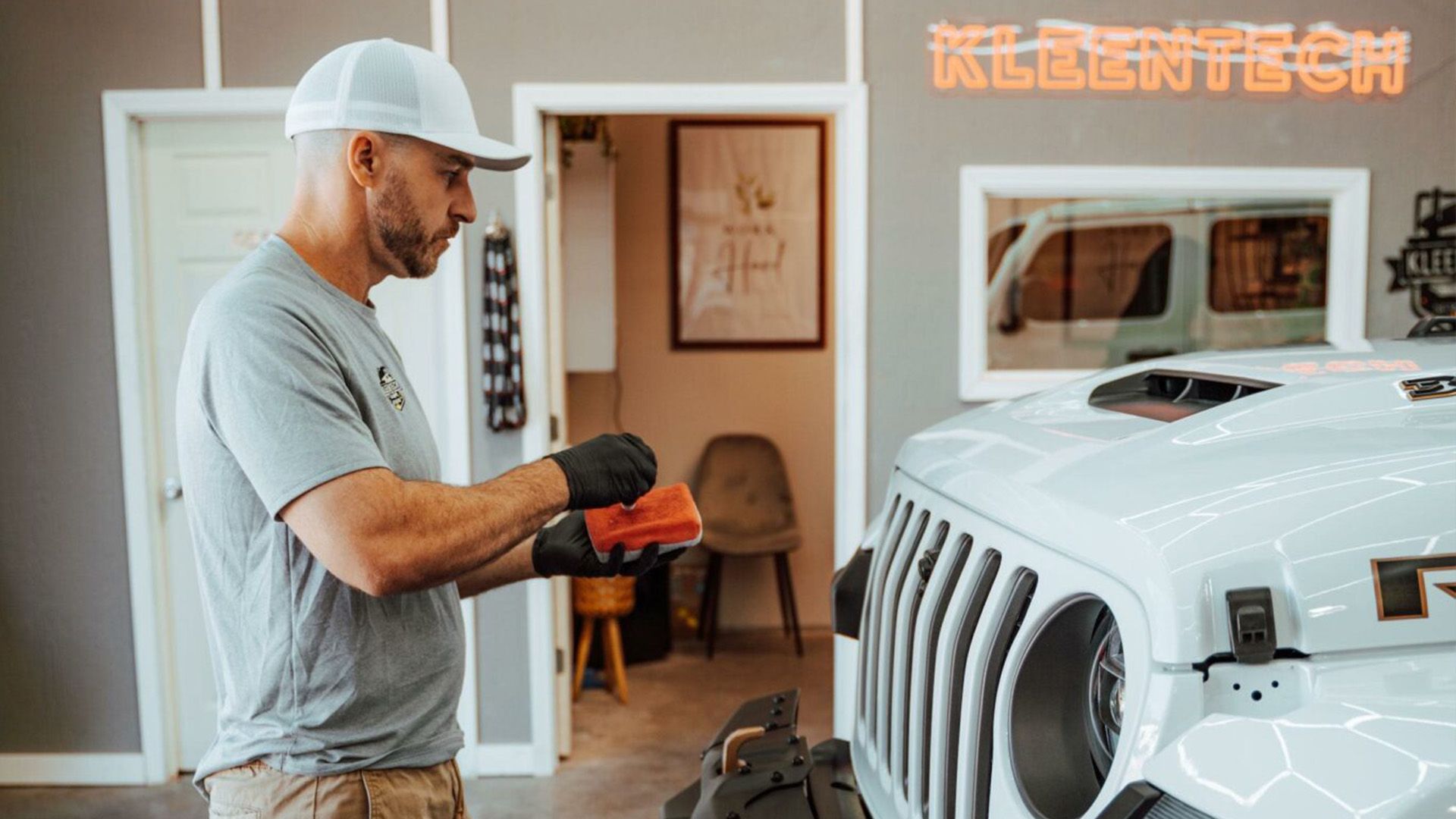
Multi-stage correction: chasing near-perfection with care
Multi-stage correction goes beyond two distinct steps. You might see a heavy compounding stage, a medium cut stage, and a final jeweling pass. On heavily marred, dark, or show-bound vehicles, the extra stages unlock clarity and depth that a two-step cannot fully deliver. You also see this approach when dealing with mixed defect profiles, such as DA sanding marks in repainted sections combined with wash swirls elsewhere.
This is not an invitation to grind away clear coat. Multi-stage work thrives when you use the least aggressive means for each area and treat the vehicle panel by panel. On edge work and sharp body lines, reduce pressure, switch to smaller pads, or even step down machine size. The goal is uniformity without thinning fragile sections. A paint thickness gauge becomes a constant companion here. If a reading shows a thin hood from previous bodywork, you pull back. If you see heavy orange peel on a panel that was repainted, you may mix in 3000 grit spot sanding to level texture, but only when you know the repaint has adequate build.
On heavily oxidized RVs or boats, gelcoat both punishes and rewards patience. Oxidation can be stubborn and deep. A wool pad on a rotary with a dedicated gelcoat compound eats through the chalk but leaves heavy micro-marring. A second cut on a dual action with microfiber, then a finishing foam pass, brings back the shine. If the boat will receive a boat ceramic coating, that final jeweling stage pays off with higher gloss and better beading over the season.
Multi-stage is as much about workflow design as pad choice. Work in short sections, track your passes, and maintain pad rotation. If a pad is too hot to hold, it is too hot for the panel.
How protection choices alter the plan
Paint correction and protection are partners, not rivals. The level of correction should align with the protection you intend to install and the way the owner maintains the vehicle.
Ceramic coating locks in the look for years, within reason. It resists chemical staining better than wax or sealants and speeds washing. If you plan to coat, aim for at least a strong one-step or, more often, a two-step on darker paint. Coatings do not hide defects, they seal them in. A bright, defect-light surface underneath gives the coating a stage to shine. After correction, use a true panel wipe, then coat in controlled conditions. High humidity can slow flash and make high spots harder to level.
Paint protection film changes the calculus. PPF gives real impact resistance on the frontal areas. If a hood and bumper will receive film, heavy correction there may be unnecessary. You still want a clean, decontaminated surface, and you should level only the most obvious swirls that might show through. Focus your heavy correction on the unfilmed panels like doors, roof, and trunk where you will rely on ceramic coating or sealants. A blended approach pays off: film where chips happen, coating where you want easy washing and gloss.
Vinyl wrapping and window tinting bring their own considerations. Wraps demand a clean, relatively smooth surface so edges adhere. Major defects under a gloss wrap will telegraph through. If a client plans a satin wrap, a thorough decon and spot correction might suffice, but address sharp raised defects first. For window tinting, paint correction is irrelevant, but glass prep mirrors the same obsession with clean, residue-free surfaces.
When one-step is the smarter choice
There is a temptation to prescribe two-step or multi-stage as the default, particularly for enthusiasts and show builds. Real life throws other variables. Garages flood, children brush backpacks against doors, and busy schedules lead to monthly drive-through washes despite the best intentions. If a client will not alter maintenance habits, a one-step followed by a durable sealant or entry-level ceramic coating can be the smartest choice. You preserve clear coat, boost gloss, and give them an easier surface to clean, while accepting that micro-swirls will return.
I once worked on a silver commuter that lived on gravel roads. The owner wanted to protect the paint but could not avoid fresh wash marring. We agreed on a one-step, then a ceramic coating. Six months later, under strong sun, the car still looked crisp because silver and a clean one-step set the eye up for success. Chasing 95 percent correction would have cost clear coat with no practical benefit.
Where two-step shines
Two-step work is my baseline for darker colors that show everything, especially on vehicles that will receive ceramic coating and better wash routines. A black S-class that spent years in automatic washes transformed under a two-step with microfiber cutting and a fine finishing polish. The final inspection under LED revealed a paint surface that reflected crisp lines, not halos. That car now lives under a gentle hand wash with a quality mitt, a pH-balanced shampoo, and forced air drying. Two years later, light marring is present, but the coating carries most of the maintenance load and the gloss stays high.
Multi-stage for special cases and show work
Multi-stage is not reserved only for concours cars. It belongs when paint has been neglected or repainted poorly, when oxidation runs deep, or kleentechdetail985.com ceramic coating when the owner expects a flawless finish and is willing to maintain it. A dark blue coupe came in with sanding marks from a body shop and holograms from a rotary. We mapped the car by panel, measured paint, then hit the worst sections with a heavy compound and wool, followed by microfiber, then a fine polish. Other sections needed only a two-step. The result read consistent across the car, which is the true test. Under fuel station canopy lighting, the reflections ran clean, with color that looked deeper, not just shinier.
How Kleentech Detailing LLC approaches the decision tree
In practice, the test spot rules everything. At Kleentech Detailing LLC, we start with paint readings and a controlled test area, then step through pad and polish combinations until we find the least aggressive route that meets the goal. We write that down and follow it across the car, adjusting when a panel behaves differently. Even on a new vehicle, you can find a repainted door or a thin hood that demands a different touch.
That discipline extends to safety factors. Edges and badges get tape. Body lines get less pressure. We keep multiple pad sets per stage to maintain cut and finish, swapping as soon as residue loads up. When the plan includes ceramic coating, we time the final wipe and coating window so no oils re-settle and no dust lands on the panel. In humid months, we build in extra flash time, or switch to products with wider windows.
Where Kleentech Detailing LLC draws the line on risk
Every professional has moments when they find an isolated deep scratch that would require aggressive sanding, or a spot of etching that penetrated beyond correction. At Kleentech Detailing LLC, the line is clear. If a defect threatens paint health, we soften its edge and stop. On a daily-driven car, the goal is uniform gloss, not erasing one scar at the cost of future clear coat. On repainted panels with unknown build, we test carefully and proceed slowly, or we suggest an alternative like paint protection film to hide minor texture rather than level it dangerously thin.
The interplay with mobile detailing and the realities of field work
Mobile detailing adds variables like power availability, wind, and dust. Correction levels must match those constraints. On windy days, open-air compounding can introduce contamination that mars the finish. In that scenario, a conservative one-step with frequent pad cleaning and smaller work areas controls the risk. On-site RV detailing presents similar challenges. The surface area is massive, and the oxidation can be heavy. A practical plan is to compound the sun-beaten sides over two sessions, then return for an intermediate polish and protection once the surface stabilizes.
For boats on trailers, shade and temperature control can be scarce. Gelcoat warms quickly and holds heat. Keeping pads cool, misting lightly when appropriate, and monitoring residue keeps the finish from gumming up. When the plan includes a boat ceramic coating, the payoff for a disciplined multi-stage approach shows up in the first rinse at the marina, where water sheets and beads cleanly instead of clinging.
Think maintenance first, not last
Whatever level you choose, maintenance locks in the result. A corrected, coated vehicle can degrade rapidly under bad wash habits. The right wash mitt, a gentle shampoo, two-bucket technique, and drying with forced air or a plush towel keep micro-marring at bay. Decontamination every 6 to 12 months removes bonded iron and restores slickness. A coated finish, particularly on darker colors, often needs a quick topper after wash to knock back minor water spotting and restore feel.
Paint protection film on the leading panels changes wash behavior too. Use PPF-safe products, avoid aggressive solvents, and heat-manage edges if you blow dry. For vinyl wrapping, avoid petroleum-based dressings near edges and give adhesives time to cure before heavy washing.
Choosing between one-step, two-step, and multi-stage
If you are balancing daily use, a reasonable budget, and a desire for cleaner reflections, a one-step paired with a quality sealant or ceramic coating covers the base. If your paint shows medium defects, especially on dark colors, and you value depth and clarity under close inspection, a two-step earns its place. If you are preparing a show car, restoring a neglected finish, or dealing with mixed repaint quality, a multi-stage sequence offers the control and refinement to deliver uniform excellence.
There is no pride in over-correcting. The pride is in reading the paint, preserving clear coat, and delivering results that hold up under sun, LEDs, and the first wash.
A brief field comparison you can use
Some owners want a fast way to visualize results without getting lost in product names. Here is a plain-language snapshot that mirrors typical outcomes. Treat these as ranges, not promises, because paint systems vary.
- One-step: addresses light swirls and haze, roughly 50 to 80 percent defect reduction depending on paint hardness and color. Best for newer or lighter-colored cars, or as a prep for ceramic coating on daily drivers. Two-step: handles moderate swirls and light etching with a clear jump in depth and sharpness, often 70 to 90 percent correction. Ideal under ceramic coating, especially on darker paints. Multi-stage: targets heavy defects, repaints, oxidation, and show-level clarity, reaching 85 to 95 percent correction where safe. Demands careful measurement and panel-by-panel judgment, with the best pairing to high-end ceramic coatings or selective paint protection film.
Where paint protection film, ceramic coating, and correction meet
Corrected paint under PPF looks richer because the film sits over a clean, level surface. On stone-prone areas like hoods and bumpers, install film after light prep and targeted correction. On the rest, finish your two-step or multi-stage and coat. The combination of PPF and ceramic coating creates a maintenance-friendly car with fewer chips and less wash time. Add window tinting for heat rejection and interior preservation, and you have a holistic system that respects both appearance and longevity.
When clients ask whether vinyl wrapping can replace correction, the answer depends on finish and color. Matte or satin wraps can mask minor swirls but will show raised defects, sanding marks, and chips. A careful decon and spot correction remove the worst offenders and allow the wrap to lay flatter. If a gloss wrap is planned, aim for a smoother substrate, since gloss film reveals more.
Lessons learned from mixed fleets
Fleets show you the truth because they test time. On a set of service vans subjected to weekly tunnel washes, a one-step plus a durable sealant kept them respectable for two years, with periodic decon. Two-step would have looked better on day one, but the tunnel brought back marring too quickly to justify the extra clear coat removal. On a pair of executive cars washed by hand and garaged, a two-step paired with ceramic coating bought two to three years of high gloss with only minor seasonal touch-ups. On an RV that saw open storage under the sun, a multi-stage on the worst side, then a maintenance polish on the shaded side, evened the look and made yearly upkeep manageable.
Those choices had nothing to do with bravado and everything to do with future maintenance. That should guide yours as well.
How Kleentech Detailing LLC documents and hands off the finish
After a correction, documentation helps owners keep the result. Kleentech Detailing LLC records paint readings, pad and product combinations, and protection installed. We include a maintenance plan tailored to the vehicle: wash intervals, safe shampoos, drying methods, and when to decontaminate. If paint protection film was installed, we map edges and note cure timelines. If a ceramic coating was applied, we list the first-wash window and what to avoid during the first week.
That handoff matters. It turns a corrected finish into a maintained finish, and it protects the clear coat for the next time the car needs attention.
Final guidance for real-world choices
Pick the level of paint correction to match three things: current paint condition, how perfect you want it to look under harsh light, and how you plan to protect and wash it afterward. Align those, and the car, truck, RV, or boat will hold a deep, clean look with less drama. Ignore any one of those, and you will either overspend clear coat or undershoot your goals.
Whether you are planning a quick one-step before a family road trip, a two-step ahead of ceramic coating on your new dark sedan, or a multi-stage rescue of a gelcoat that chalks at a touch, the right path is the one that respects the surface and the life it will live. Car detailing and auto detailing at their best are not about chasing numbers, but about results you can see in the reflections and the ease with which you keep them.